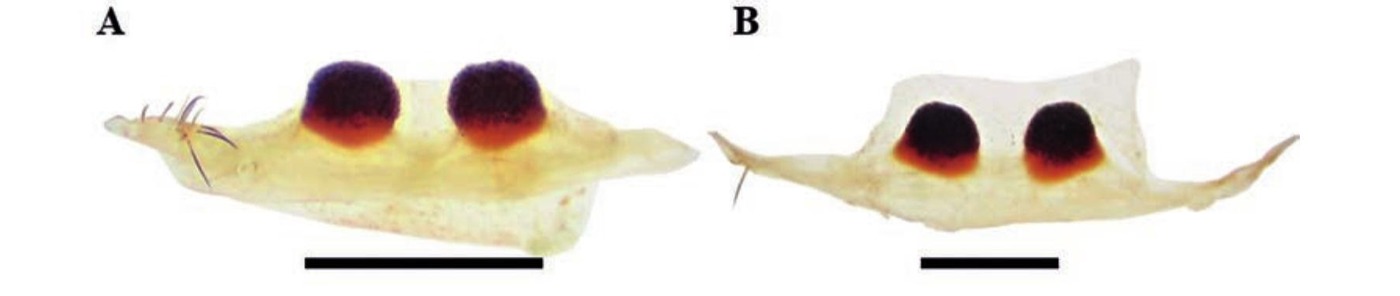
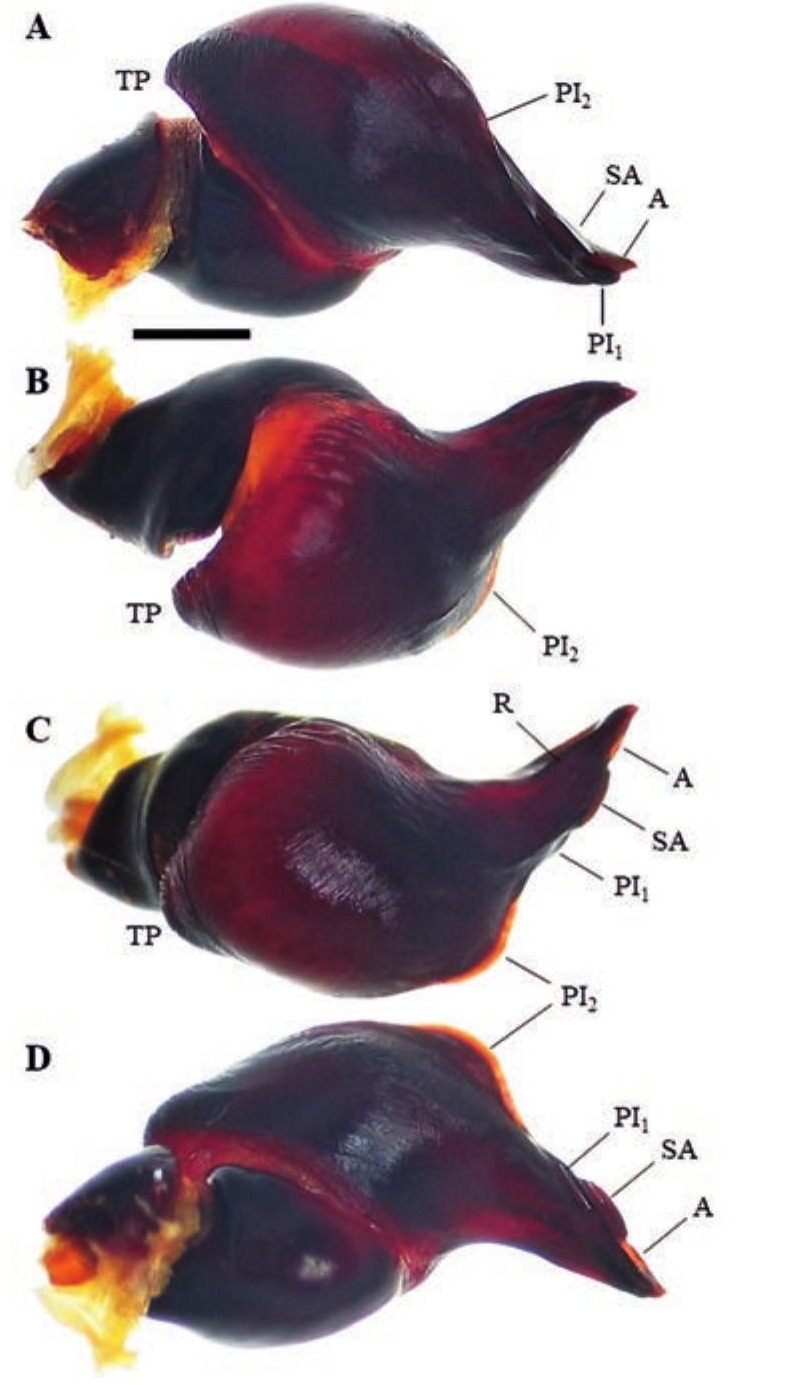
Thrixopelma zaratensis
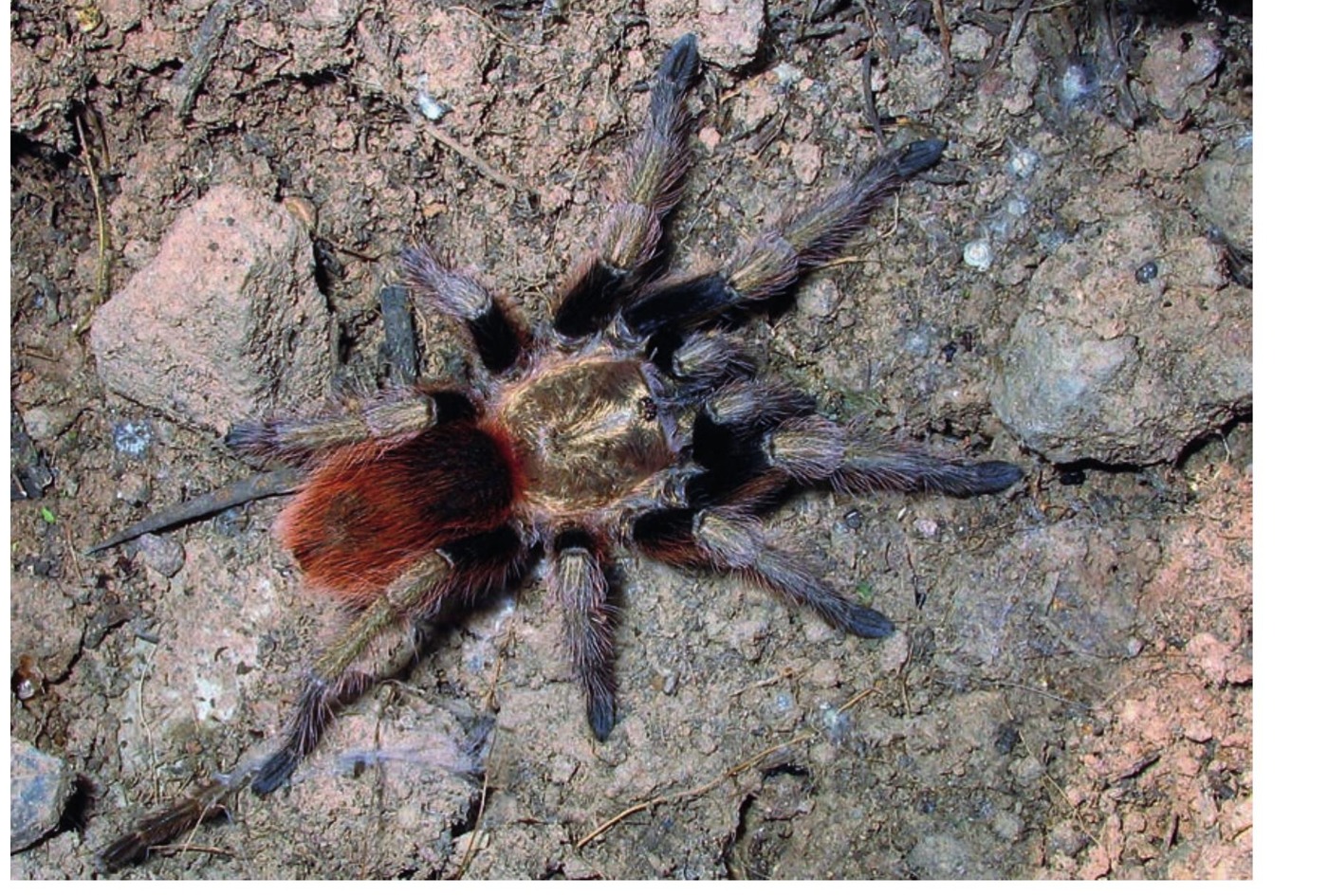 Female © Kaderka & Quispe-Colca (2025), fig. 30, immature female MUSM-ENT 0518091 alive at San Bartolome, dorsal view. Photo: Radan Kaderka
Distribution
Type Locality: PERU, Lima, Bosque de Zarate, Molle, 2,400 m a.s.l.
Adult Male Activity
Collection months of 1 adult male specimen record
Etymology
The specific name refers to the Bosque de Zarate, the protected area in the region of Lima.
Specimen Records (4)
Holotype male of Thrixopelma zaratensis, field number VF5-068. Total length 43.70 mm. Collected in 1977 and described 48 years later; it had been held as Thrixopelma sp. in the MUSM collection.
Paratype male of Thrixopelma zaratensis. Day and month of collection not stated.
Immature female of Thrixopelma zaratensis, the specimen whose spermathecae are figured (fig. 32) and which is photographed alive (fig. 30). Listed by the authors under Types but without a type designation, so it is not marked as a type here.
Juvenile of Thrixopelma zaratensis, photographed alive on the slopes above the Rio Rimac (fig. 31).
Genitalia